
Tokenization Is Changing How Assets Are Owned and Traded
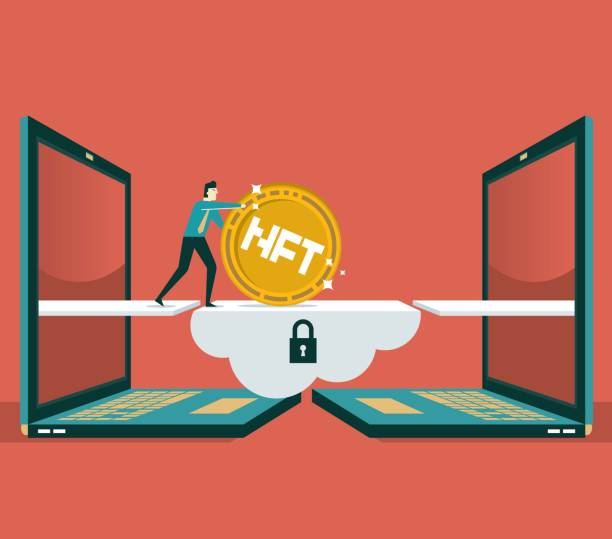
Blockchain technology is enabling the tokenization of real-world assets, allowing them to be represented digitally and traded more efficiently.
From real estate to financial instruments, tokenization is transforming how assets are owned, transferred, and managed.
Digitizing Ownership Through Blockchain
Tokenization involves converting physical or traditional assets into digital tokens that can be stored and traded on blockchain platforms.
Projects built on networks such as Ethereum are enabling fractional ownership, making it easier for individuals to invest in assets that were previously inaccessible.
Increasing Accessibility and Liquidity
By breaking assets into smaller units, tokenization lowers the barrier to entry for investors.
This can increase market participation and improve liquidity, particularly in sectors such as real estate and private equity.
It also simplifies the process of transferring ownership, reducing reliance on intermediaries.
Challenges and Regulatory Considerations
Despite its potential, tokenization faces challenges related to legal recognition, compliance, and security.
Regulators must address questions around ownership rights, taxation, and investor protection.
Implications for Malaysia
Malaysia’s financial and property sectors could benefit from tokenization, particularly in improving accessibility and efficiency.
However, clear regulatory frameworks will be necessary to support safe and responsible adoption.
Looking Ahead
As tokenization continues to develop, it may reshape traditional financial systems.
For Malaysia, early exploration of this technology could provide a competitive advantage in the evolving digital economy.