
How Blockchain Is Transforming Global Supply Chains
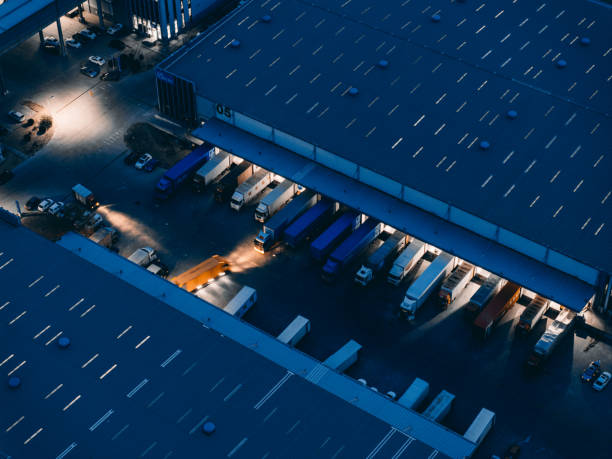
In today’s global economy, supply chains stretch across continents — from raw materials to manufacturing, shipping, and retail. But with that complexity comes a persistent problem: trust.
How can businesses and consumers be certain where a product comes from, how it was handled, and whether it meets expected standards?
This is where blockchain technology is beginning to make a real impact.
A New Layer of Visibility
Traditionally, supply chain data is stored across multiple systems, often fragmented and difficult to verify. This creates blind spots, delays, and opportunities for errors or manipulation.
Blockchain changes this by creating a shared, tamper-resistant ledger where every transaction or movement is recorded transparently.
Companies working with platforms developed by IBM are already using blockchain to track goods in real time — from origin to final delivery.
This means:
- every step is recorded
- every stakeholder can verify it
- and discrepancies can be identified quickly
Why Transparency Matters More Than Ever
Consumer expectations are changing.
People are no longer just buying products — they are buying confidence:
- Was this food sourced safely?
- Is this product authentic?
- Was it ethically produced?
Blockchain enables companies to provide verifiable answers to these questions, rather than relying on claims or paperwork.
In industries such as food, pharmaceuticals, and luxury goods, this level of transparency is becoming a competitive advantage.
Real-World Impact Across Industries
The use of blockchain in supply chains is already showing tangible benefits.
In agriculture, it helps trace contamination sources in seconds instead of days.
In manufacturing, it improves inventory tracking and reduces losses.
In logistics, it enhances coordination between suppliers, distributors, and retailers.
The result is not just efficiency — but greater reliability and accountability.
What This Means for Malaysia
For Malaysia, a country heavily involved in global trade, supply chain transparency is especially important.
Blockchain could:
- strengthen export credibility
- improve product traceability (especially in halal certification)
- enhance trust with international partners
As global markets become more demanding, these capabilities could give Malaysian industries a significant edge.
The Bigger Picture
Blockchain is not just digitizing supply chains — it is redefining how trust is established in global trade.
And as supply chains continue to grow more complex, technologies that offer clarity and accountability will become not just useful, but essential.