Mixed Reality Is Changing the Way People Learn and Train
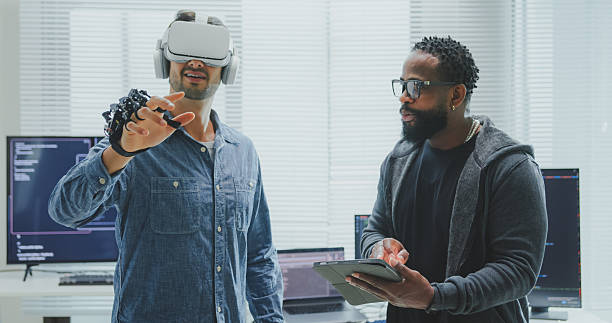
The way people learn new skills is evolving, and mixed reality is playing an increasingly important role in that transformation. By combining elements of both augmented and virtual reality, mixed reality allows users to interact with digital objects in ways that feel far more realistic than traditional methods.
Instead of reading instructions or watching demonstrations, learners can now engage directly with simulations. Tools developed by Microsoft enable users to practice tasks in controlled environments where mistakes do not carry real-world consequences.
This approach is particularly valuable in industries where training can be costly or risky. In healthcare, medical professionals can simulate procedures before performing them on patients. In engineering, trainees can interact with complex machinery without the danger of equipment failure. In manufacturing, workers can learn processes in virtual environments before stepping onto the production floor.
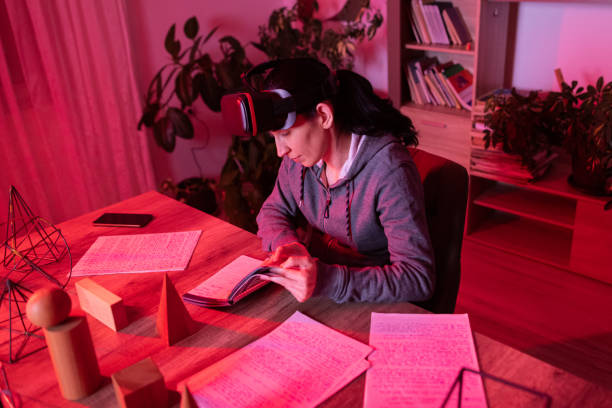
The benefits are clear. Learning becomes more engaging, retention improves, and individuals gain confidence through hands-on experience. It also allows organizations to train more people efficiently without the limitations of physical resources.
While still developing, this form of immersive learning is gaining attention in regions like Malaysia, where education and workforce development are key priorities. As industries look for more effective ways to prepare talent, mixed reality offers a practical and scalable solution that goes beyond traditional teaching methods.