
Space Debris Threatens the Future of Space-Based Cloud Computing
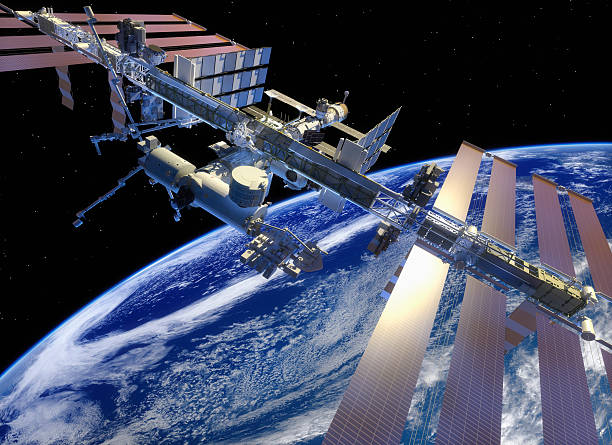
Cloud computing has transformed how organizations store, process, and access information, but the next stage of this evolution may extend far beyond traditional data centres on Earth. Researchers and technology companies are exploring the possibility of moving high-performance computing and data processing infrastructure into orbit, creating what could eventually become a network of space-based cloud and edge-computing systems. However, the growing amount of debris surrounding Earth could become one of the biggest obstacles to making this vision reliable and sustainable.
Traditional Earth-observation satellites typically collect information in orbit before transmitting large datasets to ground stations for processing. This approach can face limitations involving bandwidth, latency, and access to ground infrastructure. Space-based computing proposes a different model: process more of that information directly aboard satellites using high-performance processors, hardware accelerators, and artificial intelligence before transmitting the most useful results back to Earth.
The potential benefits could be significant. In time-sensitive situations such as monitoring floods or wildfires, processing satellite imagery directly in orbit could reduce the delay between collecting information and delivering useful insights. Instead of transmitting enormous raw datasets, orbital computing systems could analyze information locally and send smaller, actionable results to users on the ground.
This concept is contributing to growing interest in orbital data centres and interconnected satellite computing networks. In the future, satellites could operate as collaborative computing nodes, sharing processing workloads and communicating directly with one another rather than functioning primarily as isolated systems dependent on terrestrial infrastructure. Such networks could combine cloud computing, edge processing, AI, and satellite communications into a new form of distributed digital infrastructure.
However, the physical environment in which this infrastructure would operate presents a major challenge. Low Earth orbit is becoming increasingly congested as inactive satellites, abandoned rocket components, fragmentation debris, and expanding satellite constellations occupy the same orbital regions. Objects in low Earth orbit travel at extremely high speeds, meaning even relatively small pieces of debris can damage or disable spacecraft.
For a future orbital cloud network, losing a satellite could mean more than losing a single piece of hardware. If one computing node becomes unavailable, neighboring satellites may have to take over its workloads. This could reduce processing capacity, increase latency, and place additional demands on the remaining infrastructure. Replacing damaged orbital computing equipment would also be significantly more complicated and expensive than replacing servers inside a conventional terrestrial data centre.
Space debris could also interfere with the high-speed communication links required to connect orbital computing nodes. Future satellite networks may rely heavily on optical links to move large amounts of data between spacecraft. When satellites must change their trajectories to avoid debris, those carefully aligned connections can be disrupted, potentially affecting network performance and reliability.
Another challenge is designing computing hardware that can survive such a demanding environment. High-performance processors generate considerable heat, while space-based systems must manage thermal conditions without the conventional cooling methods used inside terrestrial data centres. Adding shielding can improve protection from debris, but it also increases spacecraft weight, creating difficult trade-offs between computing performance, protection, energy capacity, and launch costs.
The issue also introduces cybersecurity considerations. Increasingly autonomous satellites may depend on software to interpret orbital information and coordinate manoeuvres. As orbital computing networks become more sophisticated, protecting those control systems and the data flowing between satellites will become an important part of securing the wider infrastructure.
Addressing these challenges will require more than advances in computing hardware. Sustainable orbital infrastructure will depend on improved debris monitoring and remediation, responsible end-of-life plans for satellites, stronger coordination between operators, and effective space-traffic management. Designing future spacecraft so they can be safely removed from orbit after their operational life could also help prevent today's infrastructure from becoming tomorrow's debris.
Space-based cloud computing remains an emerging concept, but its potential illustrates how dramatically digital infrastructure could evolve. Moving processing closer to where satellite data is generated could enable faster insights for Earth observation, environmental monitoring, disaster response, and other data-intensive applications. Yet the success of this technology will depend on whether the industry can build computing infrastructure that is not only powerful, but resilient and sustainable.
The future of cloud computing may eventually reach beyond Earth. Before orbital data centres can become dependable components of global digital infrastructure, however, the technology industry and space sector will need to confront an increasingly important reality: the cloud of the future will only be as reliable as the orbit surrounding it.