
AI-Powered AR Glasses Are Emerging as the Next Big Tech Race
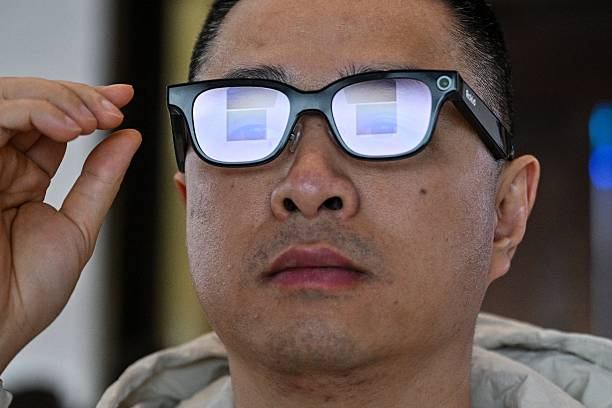
The global technology landscape is entering a new phase as companies accelerate the development of AI-powered augmented reality (AR) glasses. Unlike traditional virtual reality (VR) headsets, these devices aim to seamlessly integrate digital intelligence into everyday life, signaling a shift toward more practical and accessible immersive technologies.
The rise of AI-integrated AR devices is reshaping how users interact with digital environments. Technology companies are increasingly combining AR with artificial intelligence to create smarter wearable devices capable of delivering real-time information overlays, voice and gesture interactions, and personalized assistance. This evolution reflects a transition from fully immersive virtual environments to context-aware computing that enhances real-world experiences.
At the same time, competition among major technology firms is intensifying. Companies such as Meta, along with Apple and Google, are investing heavily in AR wearables. Their efforts are focused on developing lightweight, glasses-like devices that integrate seamlessly with existing ecosystems while leveraging AI to deliver personalized and intuitive user experiences.
The shift toward practical, everyday use cases is also becoming more evident. Unlike VR, which has largely been associated with gaming and entertainment, AR glasses are being designed for daily applications such as navigation, workplace productivity, and real-time translation. This emphasis on functionality is expected to drive wider adoption across both consumer and professional markets.
Enterprise adoption is also gaining momentum as organizations explore AR solutions to improve efficiency and training. Industries such as manufacturing, healthcare, and logistics are leveraging AR for remote support, employee training, and real-time data visualization, highlighting the growing importance of immersive technologies in operational environments.
Despite these advancements, several challenges remain. Issues such as limited battery life, privacy concerns related to wearable devices, and high production costs continue to hinder large-scale adoption. Addressing these challenges will be essential for AR technologies to reach their full potential.