How AI Is Helping Modernize the Future of Energy Grids
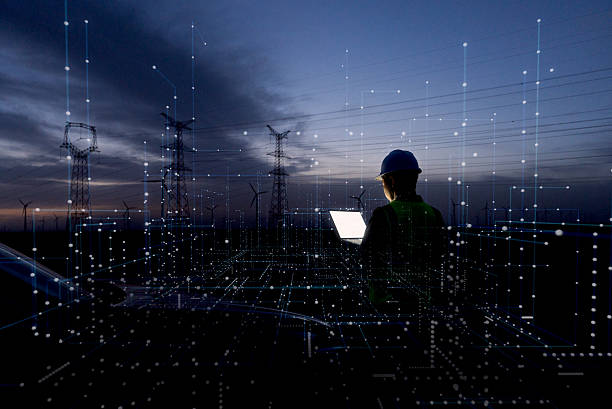
As energy providers face growing pressure to modernize aging infrastructure, artificial intelligence is becoming an important tool in helping utilities operate more efficiently. One example is E.ON, which is using AI alongside SAP S/4HANA to support the modernization of its energy grid and improve operational performance.
The energy industry is undergoing significant transformation as demand for renewable energy, smart grids, and digital services continues to rise. To manage increasingly complex operations, utility companies are investing in technologies that can provide better visibility into assets, streamline processes, and support faster decision-making.
By integrating AI-driven insights with modern enterprise systems, organizations can analyze large amounts of operational data in real time. This allows utility providers to identify potential issues earlier, optimize maintenance schedules, and improve the reliability of critical infrastructure.
For energy companies, maintaining a stable and efficient power grid is becoming more challenging as renewable energy sources such as solar and wind introduce additional variables into the system. AI technologies can help operators predict demand patterns, manage energy distribution more effectively, and respond faster to changing conditions.
Digital transformation is also helping utilities improve customer experiences. Modern data platforms enable organizations to gain a clearer understanding of consumption patterns, support more accurate forecasting, and deliver services more efficiently.
Industry experts believe the combination of artificial intelligence, cloud technologies, and advanced enterprise systems will play a major role in shaping the future of energy management. As utility providers continue modernizing their operations, data-driven decision-making is expected to become increasingly important.
While the transition requires significant investment and planning, many organizations view digital transformation as a necessary step toward building smarter, more resilient energy networks. Technologies such as AI are no longer being seen as experimental tools but as practical solutions that can help address real-world operational challenges.
As the global energy sector continues evolving, the adoption of AI-powered systems is likely to accelerate, supporting efforts to improve efficiency, reliability, and sustainability across modern power grids.