
AI-Powered Smart Glasses Drive New Demand for Memory Chips
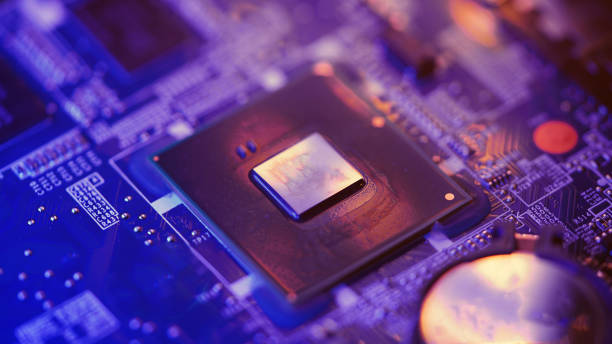
Smart glasses are becoming an increasingly important part of the wearable technology industry as companies explore new ways to integrate artificial intelligence and augmented reality into everyday devices. As these products become more capable, demand for compact, energy-efficient memory chips could also increase.
Semiconductor manufacturer Micron Technology has identified augmented reality glasses as an emerging opportunity for its memory and storage business, highlighting how advances in wearable AI could create new demand across the semiconductor industry.
In its fiscal 2026 annual filing, Micron pointed to AR glasses as a potential growth area for memory technology. The development reflects the increasing hardware requirements of smart glasses as manufacturers introduce features such as AI assistance, real-time translation, image recognition and contextual information.
Unlike smartphones or laptops, smart glasses must accommodate their components within a much smaller and lighter design. Manufacturers need to balance processing performance, battery life, memory capacity and user comfort while ensuring the devices remain practical for everyday use.
Memory plays an important role in this balance. AI-powered features require systems to process information from cameras, microphones and other sensors, while memory helps applications access and manage the data needed to operate efficiently.
As smart glasses become more sophisticated, they may require additional memory to support advanced functions and allow multiple processes to operate simultaneously. This could create opportunities for semiconductor companies developing compact, low-power memory solutions.
However, increasing memory capacity is not as straightforward as adding more components.
Smart glasses have limited space for batteries and cooling systems, making power efficiency particularly important. Additional hardware can increase energy consumption and heat, potentially affecting battery life and comfort.
These limitations mean manufacturers must carefully optimise the relationship between processing power, memory performance and energy efficiency.
Artificial intelligence is one of the major technologies driving this development.
AI-enabled glasses can potentially recognise objects, interpret spoken language, provide navigation assistance and respond to questions about the user's surroundings. Some capabilities rely on cloud-based processing, while others may benefit from processing information directly on the device.
On-device AI could reduce dependence on continuous internet connectivity and improve response times for certain tasks. It may also support privacy by allowing some information to be processed locally rather than transmitted to external servers.
However, running AI features directly on wearable devices can increase demand for efficient processors and memory, creating additional challenges for hardware designers.
For Micron, the growing interest in smart glasses represents a potential extension of the memory market beyond traditional computing devices.
The company already supplies memory and storage technologies used across areas such as smartphones, computers, data centres and other electronic systems. Wearable AI devices could eventually become another source of demand as manufacturers introduce more advanced products.
The development also reflects a wider shift within the extended reality industry.
While virtual reality headsets remain important for gaming, simulation and immersive experiences, smart glasses are attracting attention because they can integrate digital features into everyday environments without completely separating users from the physical world.
Technology companies are exploring different approaches, ranging from AI-powered glasses with cameras and audio capabilities to augmented reality devices that display digital information within the user's field of view.
These products have different hardware requirements, but both could benefit from improvements in compact processors, low-power memory and battery technology.
Nevertheless, the commercial opportunity remains uncertain.
Micron's identification of AR glasses as a potential growth area should not be interpreted as confirmation of a major increase in smart-glasses sales. The company has not disclosed specific revenue, shipment figures or customer contracts associated with this opportunity.
Widespread adoption will depend on whether manufacturers can deliver devices that are useful, comfortable, affordable and capable of operating for extended periods without frequent charging.
Privacy and social acceptance will also influence how quickly smart glasses become part of everyday life, particularly as more products incorporate cameras, microphones and AI-powered environmental awareness.
For the semiconductor industry, the significance of smart glasses extends beyond the devices themselves. Their development could encourage further innovation in smaller, more efficient components designed for wearable computing.
Micron's outlook highlights how the evolution of artificial intelligence is influencing hardware requirements across different categories of technology.
As AI moves beyond smartphones and computers into glasses and other wearable devices, memory performance and power efficiency could become increasingly important factors in determining which products succeed.
The future of smart glasses may therefore depend not only on better AI software and display technology, but also on the semiconductor innovations required to make advanced computing practical in devices small enough to wear every day.