
Smart Glasses Are Reshaping the Future of VR and AR
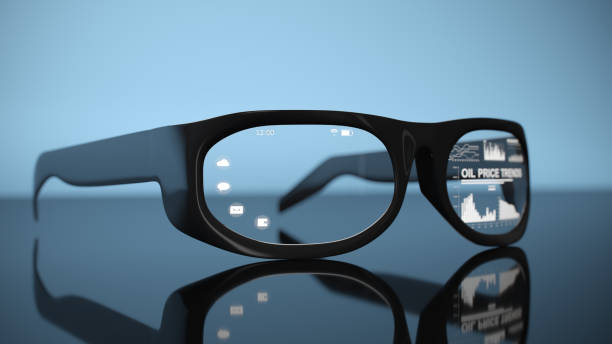
Virtual reality has spent years at the centre of the immersive technology industry, driven largely by gaming headsets and increasingly capable standalone devices. But in 2026, the broader extended reality landscape is showing signs of a shift as augmented reality and smart glasses attract growing attention.
Research from VR.org's State of VR, AR & XR 2026 suggests the industry is increasingly looking beyond traditional VR headsets towards devices that can integrate digital experiences more naturally into everyday life.
The study analysed 195 stories published by VR.org between March 14 and July 12, 2026, alongside a snapshot of 151 stories from 36 VR and technology publications. The findings provide a picture of which technologies, companies and applications are receiving attention across the XR industry.
One of the clearest trends is the growing prominence of augmented reality and smart glasses.
According to VR.org, 42% of its analysed stories touched on AR or smart glasses, while AR and XR together represented 30% of primary coverage. Gaming, traditionally one of the strongest drivers of virtual reality adoption, accounted for 25%.
These figures do not mean AR devices are already outselling VR headsets. The research measures media coverage and industry attention rather than hardware shipments, sales or installed users.
However, the shift in attention is significant because it reflects how companies are exploring different ways of bringing spatial computing into everyday environments.
VR typically places users inside a fully digital environment. AR and smart glasses take a different approach by adding digital information to the physical world.
That difference could open XR technology to applications beyond entertainment.
Smart glasses could eventually provide navigation information, translations, notifications, photography, AI assistance and workplace tools without requiring users to constantly look at a smartphone or wear a large immersive headset.
Artificial intelligence is also becoming increasingly connected to this development.
AI-powered glasses can potentially interpret what users see and hear, allowing digital assistants to provide information based on the surrounding environment. Combining cameras, microphones, AI models and lightweight displays could gradually transform glasses into another form of everyday computing device.
However, significant technical challenges remain.
Manufacturers must balance battery life, processing performance, display quality, weight and comfort while keeping devices practical enough for extended use. Adding more computing power or brighter displays can improve capabilities but also increase energy consumption and heat.
Privacy represents another important concern. Smart glasses equipped with cameras, microphones and AI capabilities can collect information about both the wearer and people nearby, creating questions about consent, data processing and how obvious it should be when recording is taking place.
The competitive landscape is also evolving.
VR.org's analysis found Meta and Quest appeared in 38% of the stories examined, giving the company a particularly visible position within XR coverage. Google's Android XR appeared in 24%, Valve and Steam in 19%, while Apple and Vision Pro appeared in 16%.
These figures again represent coverage rather than market share, but they illustrate the growing competition to shape the next generation of spatial computing.
Meta has invested heavily in both VR and smart glasses, while Google is positioning Android XR as a platform capable of supporting headsets and glasses from different hardware manufacturers. Apple, meanwhile, has helped push spatial computing further into mainstream technology discussions through Vision Pro.
The result is an XR market that is becoming broader rather than simply replacing one device category with another.
VR headsets are likely to remain important for immersive gaming, simulation, training, design and specialised enterprise applications. AR glasses, meanwhile, could address situations where users want digital information without disconnecting from their physical surroundings.
This distinction could ultimately allow VR and AR to develop alongside each other.
For businesses, the evolution of XR also creates opportunities beyond consumer hardware. Training, remote assistance, manufacturing, healthcare, education, architecture and logistics are among the areas where immersive or augmented interfaces could provide practical benefits.
The growing interest in smart glasses therefore represents more than another wearable technology trend. It points towards a wider question about what computing could look like after smartphones.
For years, technology companies have explored ways to make digital information more immediate and contextual. Smart glasses offer one possible path by placing computing directly within a user's field of view while AI provides the intelligence needed to understand their surroundings.
Whether consumers ultimately embrace that model will depend on more than technical capability. Devices will need to become comfortable, useful, socially acceptable and affordable while addressing legitimate privacy concerns.
VR is therefore unlikely to disappear as AR grows. Instead, the XR industry appears to be expanding into different forms of immersive and wearable computing.