
AR and VR Are Expanding Beyond Gaming Into Everyday Life
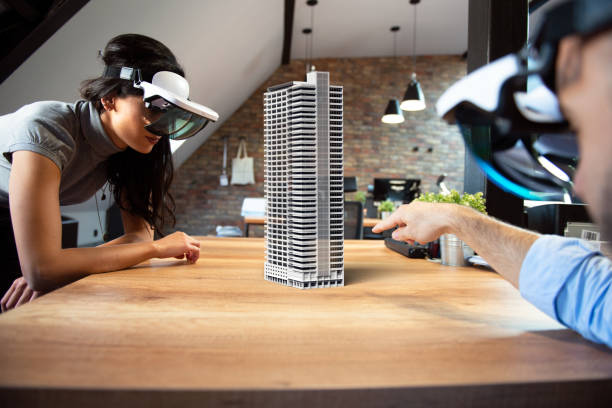
For years, augmented reality (AR) and virtual reality (VR) were closely associated with gaming and entertainment. The idea of putting on a headset and entering a virtual world was largely seen as something meant for leisure rather than everyday use.
That perception is now steadily changing.
Across industries, immersive technologies are beginning to find more practical applications. Companies such as Meta and Apple are investing heavily in devices and platforms designed not just for entertainment, but for productivity, collaboration, and real-world problem-solving.
Instead of interacting with flat screens, users are starting to experience digital environments in a more natural and intuitive way. In architecture, designs can be explored virtually before construction begins. In education, students can step into simulations that bring complex subjects to life. In the workplace, teams can collaborate in shared virtual spaces regardless of physical location.
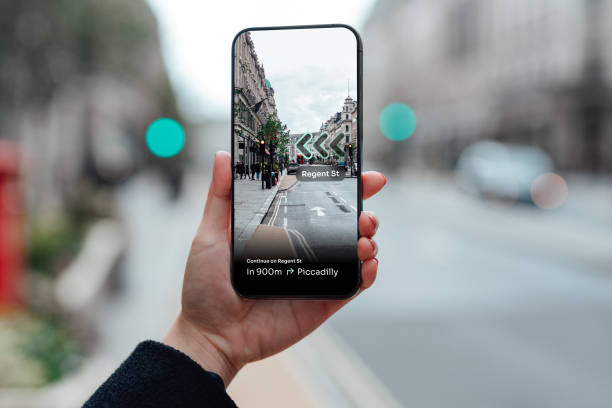
This shift reflects a broader change in how technology is used. It is no longer just about access to information, but about how that information is experienced.
In Malaysia, adoption is still in its early stages, but interest is growing. As digital infrastructure improves and devices become more accessible, AR and VR could gradually move from being niche tools into everyday digital experiences. What once felt futuristic is slowly becoming part of the present.