
Virtual Workspaces in the Metaverse Are Redefining Collaboration
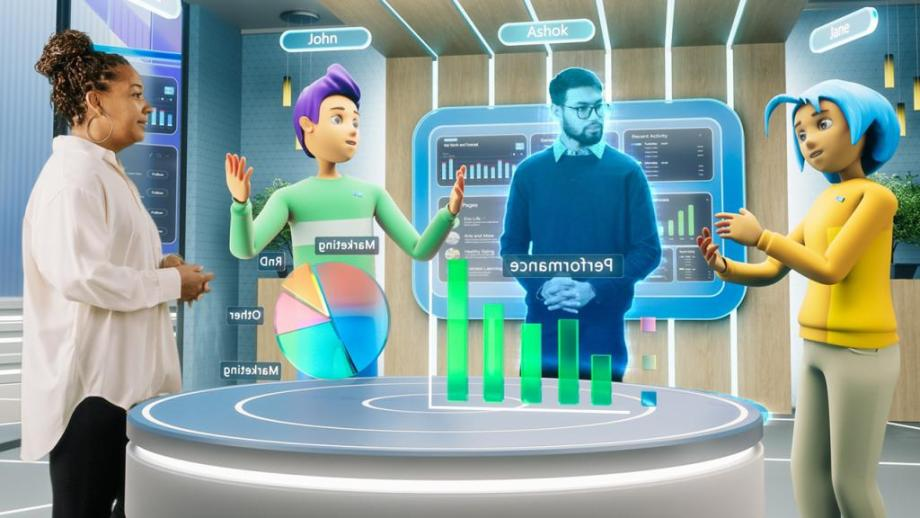
Organizations are exploring virtual workspaces powered by AR and VR technologies to enhance collaboration, communication, and productivity in remote environments.
As remote and hybrid work models continue to evolve, organizations are exploring new ways to enhance collaboration and maintain productivity. One emerging solution is the use of virtual workspaces powered by Augmented Reality (AR) and Virtual Reality (VR), often associated with the broader concept of the metaverse.
Virtual workspaces allow teams to interact within immersive digital environments that simulate real-world offices. Instead of relying solely on traditional video conferencing tools, employees can engage with one another in shared virtual spaces, creating a stronger sense of presence and collaboration.
Advancements in AR and VR technologies have made it possible to create interactive and immersive work environments. In these virtual spaces, users can attend meetings, present ideas, and collaborate on projects as if they were physically present in the same location.
This approach is particularly beneficial for distributed teams, where physical distance can limit effective communication. Virtual workspaces help bridge this gap by providing a more engaging and interactive experience compared to standard digital communication tools.
Virtual environments offer unique features that can enhance productivity. For example, teams can visualize data in three-dimensional formats, conduct simulations, and interact with digital objects in real time. These capabilities can improve understanding, creativity, and problem-solving.
In addition, virtual workspaces can foster stronger team engagement. The immersive nature of AR and VR creates a more dynamic working environment, which can help reduce the sense of isolation often associated with remote work.
Despite their potential, virtual workspaces also present several challenges. The cost of hardware, such as VR headsets, can be a barrier for widespread adoption. Additionally, user comfort, accessibility, and technical limitations must be addressed to ensure a seamless experience.
Organizations must also consider issues related to data privacy and security, particularly when operating in shared digital environments. Ensuring that virtual platforms are secure and compliant with regulations is essential.
As AR and VR technologies continue to mature, virtual workspaces are expected to become more accessible and widely adopted. Integration with emerging technologies such as artificial intelligence and 5G connectivity will further enhance their capabilities.
In the future, virtual collaboration may become a standard component of workplace operations, offering new ways for teams to connect, innovate, and work together effectively regardless of location.