
Computer Vision AI Continues to Deliver Productivity Gains Across Retail Sector
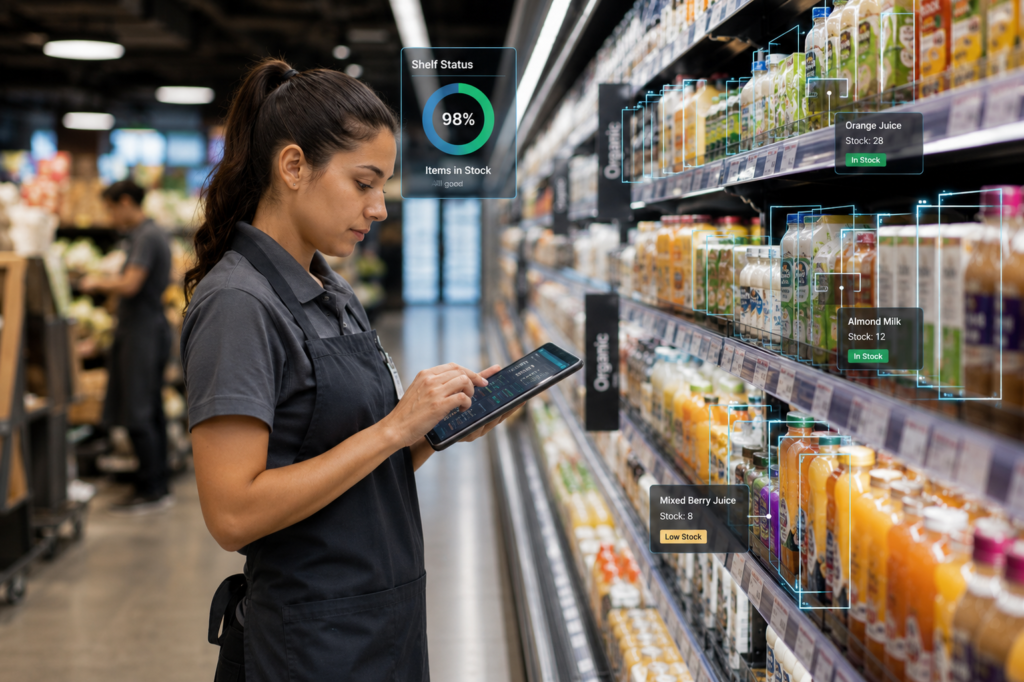
Retailers are increasingly turning to computer vision technologies as they seek to improve operational efficiency, inventory visibility, and overall store performance. Industry reports released in 2026 suggest that AI-powered visual analytics are becoming an important tool for retailers looking to streamline daily operations while enhancing customer experiences.
Computer vision systems use artificial intelligence to analyze images and video streams from cameras and sensors. In retail environments, these systems can help monitor shelf availability, detect inventory shortages, track product placement, and provide insights into customer movement patterns throughout stores.
Recent industry findings indicate that retailers adopting computer vision solutions are seeing measurable improvements in productivity. Automated shelf monitoring can reduce the time employees spend conducting manual inventory checks, allowing staff to focus on customer service and other higher-value tasks. AI-powered systems can also identify stock discrepancies more quickly, helping retailers address out-of-stock situations before they impact sales.
The growing interest in computer vision reflects a broader trend in enterprise AI adoption. According to industry surveys, organizations across multiple sectors continue to increase investments in AI technologies as they seek operational efficiencies and data-driven decision-making capabilities.
Retail technology providers are also expanding their use of visual AI for loss prevention, demand forecasting, and store optimization. By analyzing real-time visual data, retailers can gain deeper insights into store operations and respond more effectively to changing customer behavior.
Market analysts expect the adoption of computer vision technologies in retail to continue growing throughout the coming years, driven by advances in AI models, improved camera systems, and the increasing availability of cloud-based analytics platforms.
As retailers face ongoing pressure to improve efficiency while maintaining customer satisfaction, computer vision is emerging as one of the most practical applications of artificial intelligence in the sector. Rather than replacing employees, many organizations are deploying these technologies to automate repetitive tasks and provide staff with better operational information.
With AI adoption accelerating across industries, computer vision appears poised to play an increasingly important role in shaping the future of retail operations.
Sources:
- Artificial Intelligence News - Computer vision deployments drive retail productivity gains (June 2026)
- NVIDIA. State of AI Report 2026
- Intel. Retail Technology Trends 2026