
The Future of AR and VR Will Be Decided by What People Actually Use
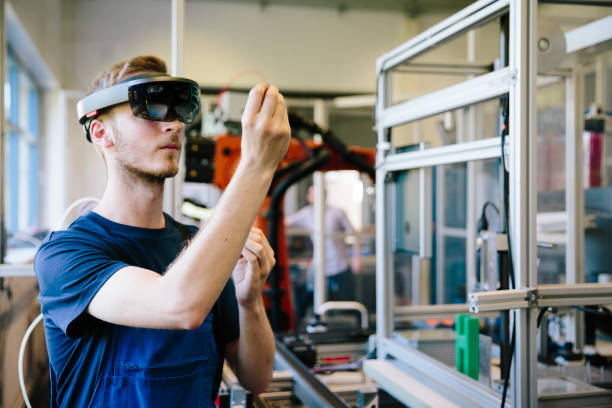
AR and VR are often described as transformative technologies, but their future will not be determined by how advanced they are. Instead, it will depend on how useful they become in everyday life.
Despite significant investment and technological progress, adoption remains limited. Devices developed by companies such as Apple and Meta continue to improve, offering more immersive and capable experiences. However, widespread use depends on something much simpler than innovation.
People need a reason to use them.
For many users, AR and VR still feel like optional tools rather than essential ones. High costs, limited content, and unclear use cases continue to slow adoption. While the technology is impressive, its practical value is still being defined.

The turning point will come when these technologies solve real problems. This could mean improving productivity, enhancing learning, simplifying tasks, or creating experiences that cannot be replicated through traditional devices.
In markets like Malaysia, where digital adoption is growing steadily, the focus will likely be on practical applications rather than experimental ones. Industries such as education, training, and tourism may provide the most immediate opportunities for meaningful use.
Ultimately, the success of AR and VR will not depend on how futuristic they appear, but on how seamlessly they fit into everyday life. The technologies that succeed will be those that people find useful — not just interesting.